Category: Articles

Awakening the Senses: A Day in the Heart of Timbavati Safari Lodge

A Day in the Heart of Timbavati Safari Lodge

The Rhythm of the Bush

Each day at Timbavati Safari Lodge unfolds like a story, written in the sounds of the bush, the changing light, and the quiet rhythm of nature. From the first golden glow of morning to the last flicker of firelight at night, every hour brings its own sense of wonder.

A stay at Timbavati isn’t defined by time, but by feeling. It’s about slowing down, tuning in, and rediscovering the senses we often forget in the rush of daily life. Here, every sunrise feels like a new beginning, every meal a celebration, and every evening a peaceful return to self.

Morning Magic: The Bush Awakens

As dawn stretches across the horizon, the first sounds of the wild drift through the air, a dove’s call, the rustle of leaves, the distant roar of a lion greeting the morning. The air is cool and fresh, carrying the faint scent of dew and acacia.

At Timbavati Safari Lodge, mornings begin gently but purposefully. Guests rise to steaming coffee and soft conversation before setting out on their first adventure of the day. The early light paints everything in gold, the grasslands shimmer, and even the smallest creatures seem to glow in the warmth of the sun.

Returning from a morning game drive, the lodge feels alive with quiet energy. Breakfast is waiting, a hearty spread of fresh fruit, warm bread, eggs made to order, and strong coffee that fuels conversation and reflection. The excitement of wildlife sightings fills the air, as guests exchange stories and share photos over their first meal of the day.

It’s a moment that captures the essence of safari life, adventure followed by stillness, the thrill of discovery balanced with the comfort of connection.

Midday Calm: The Lodge at Rest

By late morning, the tempo slows. The bush settles into the gentle rhythm of midday, and so do the guests. The sounds soften, birds call lazily from nearby trees, and the rustle of leaves becomes a lullaby.

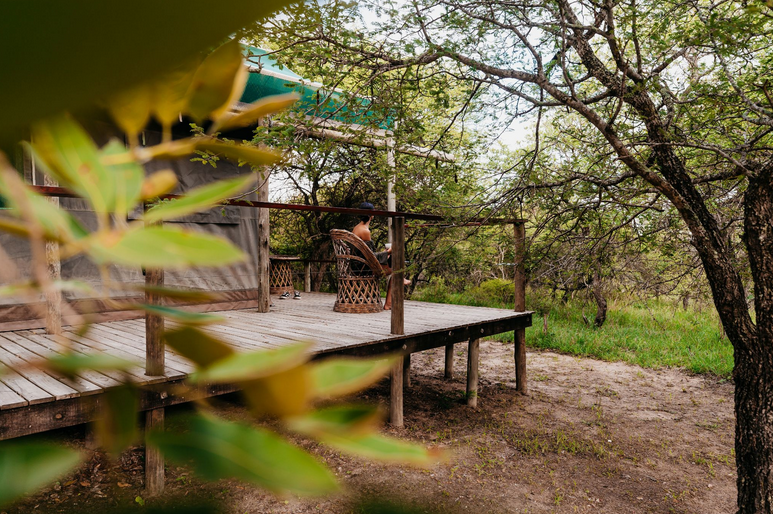
This is a time for rest and reflection. Many guests retreat to shaded verandas, a cool drink in hand, watching the world move quietly beyond the fence line. Others lounge by the pool, soaking in the African sun while the landscape hums with life.

Inside the lodge, the air carries the aroma of lunch being prepared, grilled meats, fresh salads, and locally inspired dishes that remind you that even in stillness, there is comfort and care.

It’s in these quiet hours that many guests feel the true essence of Timbavati, peace. There’s no rush, no schedule that demands attention. Just time to listen, to breathe, and to let the natural world remind you of life’s simpler pace.

Afternoon Adventures: Nature in Motion

As the heat softens, the bush stirs once more. The shadows grow longer, and anticipation builds. Afternoon at Timbavati brings renewed excitement, another chance to explore, to learn, and to be humbled by nature’s scale and beauty.

Guests may head out for another game drive, cameras ready and senses heightened. The landscape shifts with the light, elephants dusting themselves at waterholes, giraffes moving gracefully between trees, and the flicker of birds in flight against the orange sky.

For those who prefer to stay behind, the lodge itself remains a sanctuary. Some guests curl up with a book, others sip tea while watching impala graze nearby. Every choice feels right because here, there’s no wrong way to experience the bush.

The lodge staff are always nearby, friendly faces who share their knowledge, their laughter, and their stories of life in Timbavati. Their presence adds warmth to the day, reminding every guest that hospitality here runs deeper than service, it’s an extension of family.

Evening Glow: Where the Wild Meets the Warmth

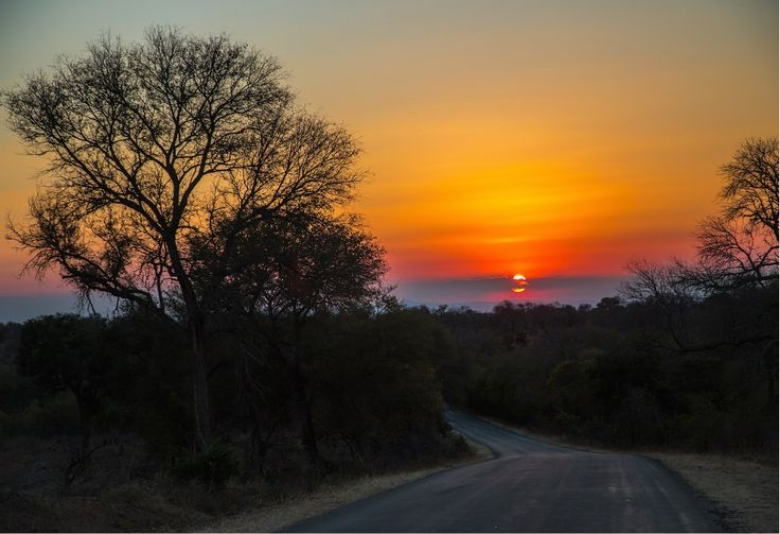
As daylight fades, the transformation is breathtaking. The sky becomes a canvas of fire, pink, amber, and violet blending above the treetops. The air cools, and the familiar sounds of night begin to rise.

Guests return to the lodge with stories of the day, a herd of elephants crossing the road, a leopard sighting, a sunset that defied words. They’re greeted by the glow of lanterns, the crackle of the fire, and the aroma of dinner being prepared.

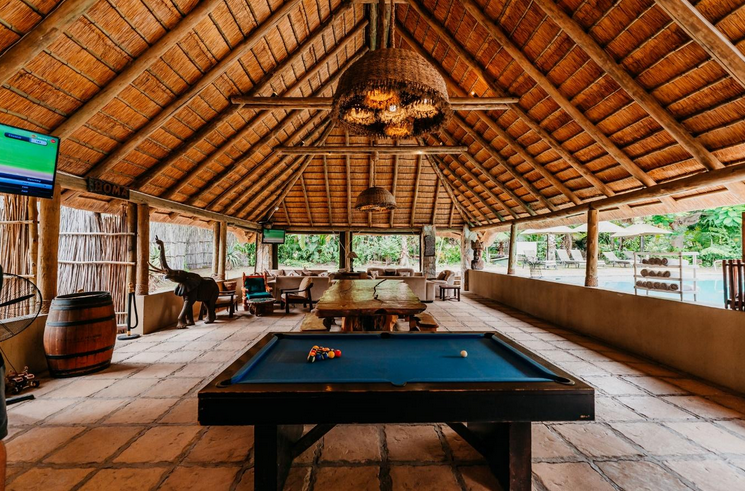
Evenings at Timbavati are where the bush’s rhythm meets the comfort of home. Guests gather around the boma, a traditional open-air enclosure, sharing laughter and stories as the stars appear one by one. It’s a sensory experience that stays with you, the warmth of the flames, the cool night breeze, and the taste of authentic South African cuisine.

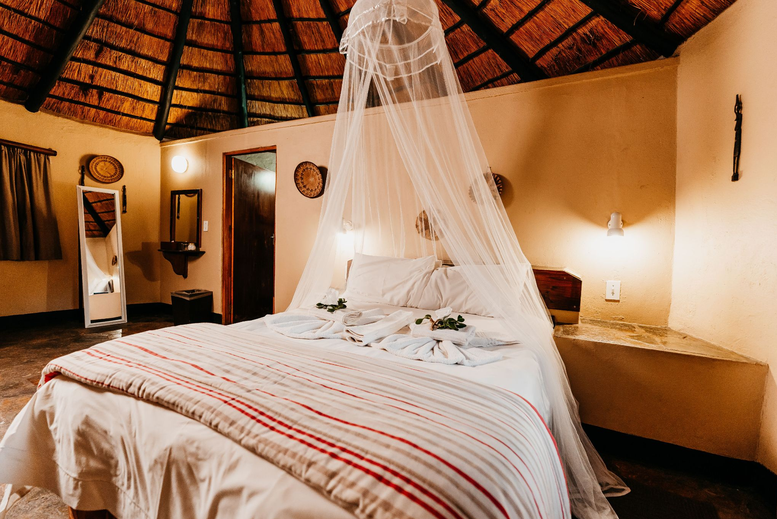
The fire burns low as conversations soften. Some linger a little longer, sipping wine and gazing into the embers. Others return to their rooms, where the sounds of the night, crickets, frogs, and distant calls, lull them into sleep.

The People Behind the Experience

Behind every memorable stay at Timbavati Safari Lodge is a team of passionate people, guides, hosts, and chefs who bring the lodge to life. Their warmth and hospitality turn every day into something special.

Guests often comment that what makes Timbavati unforgettable isn’t just the wildlife, but the people who make them feel at home in the wild. Every greeting, every meal, and every smile carries genuine care. It’s hospitality that feels unforced, natural, effortless, and deeply human.

The team’s knowledge of the region adds another layer of richness to each stay. Whether it’s identifying a bird’s call or sharing stories of the land’s history, their insights deepen every guest’s appreciation for the place they’re in.

Nightfall: The Stillness That Stays With You

As the last conversations fade and the fires burn down to glowing coals, the African night takes over. The sounds are different now, rhythmic, mysterious, soothing. Somewhere in the distance, a hyena calls. Above, the Milky Way stretches across the sky, untouched and endless.

In this stillness, guests often feel something profound, a connection to the land, to the wild, and to themselves. It’s the quiet kind of awe that can’t be described, only felt.

Back in the comfort of their rooms, surrounded by the soft hum of the bush, guests drift to sleep knowing that tomorrow will bring another sunrise, another rhythm, another story to tell.

Conclusion: The Essence of Timbavati

A day at Timbavati Safari Lodge is not measured by the hours on a clock, but by moments that stir the senses and stay in the heart. From the first light of dawn to the quiet glow of nightfall, it’s an experience that blends nature, comfort, and connection in perfect harmony.

Here, you don’t just visit the wild, you live within it, if only for a while. And long after you’ve left, you carry a piece of its peace, its rhythm, and its wonder with you.

A Taste of the Wild: Dining Experiences at Timbavati Safari Lodge

Dining Experiences at Timbavati Safari Lodge

Where Flavour Meets the Wild

Dining at Timbavati Safari Lodge is an experience that goes beyond food, it’s an immersion into the spirit of Africa. Every aroma, every bite, and every shared story carries the rhythm of the bushveld. Here, meals aren’t just served; they’re savoured slowly, surrounded by the sounds of nature and the warmth of South African hospitality.

Whether you’re starting your morning as the mist lifts over the acacia trees or ending your day beneath a blanket of stars, dining at Timbavati becomes part of your journey, a chance to connect with the land, the people, and the stories that define this remarkable place.

Flavours Rooted in Africa

African cuisine is built on simplicity and soul. At Timbavati Safari Lodge, the chefs draw on these traditions to create dishes that reflect the lodge’s natural surroundings and the cultures of South Africa. Each meal balances authenticity with comfort, familiar yet distinct, hearty yet refined.

Guests can expect a mix of classic local favourites and lodge-style creations. Think slow-cooked stews, fire-grilled meats, roasted vegetables, and freshly baked bread, all infused with herbs and spices that celebrate African flavour. Many ingredients are sourced locally, ensuring that every plate carries the freshness and vibrancy of the region.

Beyond the food itself, there’s an intention behind every meal, to bring people together. Meals are shared moments, built around laughter, storytelling, and connection. In many ways, Timbavati’s dining experience mirrors the African tradition of gathering around a fire to share food and friendship.

The Rhythm of Lodge Life Through Food

Food marks the flow of each day at the lodge, forming a rhythm that mirrors life in the bush.

Morning begins gently, with the smell of freshly brewed coffee drifting through the air and the first light of dawn filtering through the trees. A full breakfast awaits guests returning from an early game drive, a comforting mix of eggs, fresh fruit, warm bread, and traditional South African favourites.

Midday brings a slower pace. After the excitement of the morning, guests gather for a relaxed lunch. It’s a time for reflection and conversation, to share sightings, trade photos, and enjoy a meal prepared with care. Fresh salads, local produce, and grilled meats take centre stage, paired with cool drinks and the quiet soundtrack of birdsong.

Evening is where magic takes over. As the sun sinks low and the air cools, lanterns flicker to life. The dining area transforms into a warm, glowing oasis, framed by the night sky. Guests gather around a fire, sharing the day’s stories while the aroma of flame-grilled dinner fills the air. Whether it’s a traditional braai or a candlelit dinner under the stars, each meal feels timeless, a moment where the wilderness meets warmth and comfort.

Hospitality Served with Heart

Timbavati Safari Lodge is known as much for its people as for its setting. Every guest is treated like family, a philosophy that extends naturally to the dining experience.

The staff’s genuine warmth and attention to detail make each meal feel personal. They remember your preferences, ask about your day, and take pride in ensuring that every plate reflects the same care that defines the lodge as a whole.

Many guests mention that it’s not just the food that stays with them, but the people, the laughter shared with servers, the smiles that greet them at breakfast, and the sense of belonging that carries through every meal. This is dining that nurtures both body and spirit.

The Magic of Open-Air Dining

There’s nothing quite like dining in the open air, surrounded by the sights and sounds of Africa. At Timbavati Safari Lodge, meals are often served outdoors, under shaded canopies by day and starlit skies by night.

Guests might find themselves watching impala grazing nearby, hearing the distant call of a nightjar, or catching the faint roar of a lion in the distance as they enjoy dessert by the fire. These subtle moments, so uniquely African, remind visitors that they are part of something far larger and more alive than a simple dining room can offer.

It’s a harmony of nature and hospitality that few places in the world can match.

Local Ingredients, Global Inspiration

The kitchen team at Timbavati blends traditional South African ingredients with international influences, creating dishes that feel both local and luxurious. Think venison paired with wild mushrooms, freshly baked roosterkoek bread, or a modern take on bobotie, all crafted with balance and respect for the region’s culinary roots.

Seasonal produce is celebrated here. Menus evolve with the rhythm of the land, mangoes and citrus in summer, root vegetables and hearty stews in winter. The result is cuisine that feels authentic, not commercialised; food that speaks to place and season, not trend.

Sustainability and Community Connection

Timbavati Safari Lodge’s dining philosophy reflects its commitment to sustainability and community. Where possible, ingredients are sourced from local suppliers and farmers who share the lodge’s values of ethical and environmental responsibility.

This approach supports small-scale producers while ensuring the freshest possible ingredients for guests. It also reinforces the lodge’s broader mission, to exist in harmony with its environment and community.

Waste is minimised through careful menu planning and composting, and biodegradable materials are prioritised where practical. The kitchen operates with respect for the environment, a quiet but meaningful contribution to the preservation of the wilderness that surrounds it.

Cultural Experiences and Themed Evenings

Dining at Timbavati is also a celebration of culture. From time to time, guests are treated to themed evenings that showcase South African traditions, complete with local music, storytelling, and authentic dishes cooked over open flames.

These nights are full of warmth and laughter, giving visitors a glimpse into the region’s spirit. They remind guests that a safari is not only about wildlife, but about people, and food is one of the most universal ways to connect.

Conclusion: More Than a Meal, A Memory

Dining at Timbavati Safari Lodge is about more than flavour. It’s about the quiet crackle of the fire, the laughter that echoes across the tables, and the stars reflected in a glass of South African wine.

Every plate served is a celebration, of the land, its people, and the guests who come to share in it. Long after the safari ends, it’s these moments, a shared meal, a friendly smile, a taste of something authentically African, that guests remember most vividly.

At Timbavati Safari Lodge, dining isn’t just an activity. It’s part of the story, and one you’ll carry with you long after you’ve left the bush.

The Night Sounds of Timbavati: Africa’s Nocturnal Symphony

The Night Sounds of Timbavati

As darkness settles across Timbavati, a transformation unfolds. The last sunbirds flit into their nests, the golden light fades, and silence seems ready to fall, until the bush begins to sing again. The night in Timbavati is alive with sound: the chorus of frogs, the calls of nightjars, the booming roar of lions, and the eerie whoop of hyenas. These sounds, layered into an intricate soundscape, are as much a part of the safari as the game drive itself. To lie in bed at Timbavati Safari Lodge, listening to the night’s orchestra, is to experience Africa in its rawest, most authentic form.

From Daylight to Darkness: The Shift in the Bush

The change from day to night in the African bush is abrupt, almost theatrical. The blazing sun sinks quickly, shadows stretch, and animals prepare for a new rhythm. Daytime grazers retreat to safer grounds, while nocturnal creatures stir. The insect chorus intensifies, frogs add rhythm, and soon the apex predators take over the night.

The shift is not only biological, it is sensory. Sight diminishes, but sound amplifies. For visitors, the experience is transformative: the bush that felt vast and visible by day becomes mysterious and alive with hidden presence at night.

The Soundscape of Timbavati Nights

Owls: Guardians of the Darkness

Timbavati is home to several species of owls. The spotted eagle owl delivers a deep, resonant hoot from the treetops, while the African scops owl repeats its soft, bell-like call. Each note is purposeful, territorial declarations, communication with mates, or hunting cues. Guests often remark that the owls’ haunting sounds are among their most enduring memories.

Nightjars: Voices of Twilight

Nightjars begin their chorus as the first stars appear. Their repetitive, mechanical “churring” is steady and soothing. Known as masters of camouflage, they are rarely seen during the day, but their evening calls define the transition into night.

Lions: The Roar that Commands

Few sounds stir the soul like a lion’s roar. Deep and thunderous, it can carry for up to eight kilometres. Roars are both social and territorial, used to warn rivals and reassure pride members. Hearing a lion at night while tucked safely into your lodge room is an electrifying reminder of the wild just beyond your door.

Hyenas: The Whoop and the Laugh

Hyenas are among the bush’s most vocal animals. Their “whoop” is a long, rising call, often heard during night hunts or while gathering the clan. Their infamous laugh, high-pitched and unnerving, signals excitement or tension within the group. To hear hyenas communicating across the darkened landscape is to be immersed in the complexity of nocturnal survival.

Frogs and Insects: Nature’s Choir

The smaller voices complete the symphony. Painted reed frogs fill wetlands with rhythmic croaks, while the cricket’s steady chirp becomes the bush’s background music. These sounds, though often overlooked, are vital to the soundscape, they represent abundance, water health, and the beating heart of the ecosystem.

The Cultural Storytelling of Night Sounds

For centuries, African cultures have woven the sounds of the night into stories and lessons. Owls are often seen as messengers or symbols of wisdom. The hyena’s laugh appears in folklore as a trickster’s voice. Frogs herald rain and abundance, while lions represent strength and kingship. At Timbavati, guides often share these tales by the firelight, adding layers of meaning to the nocturnal symphony.

How to Tune Into the Night

Guests can enhance their experience with a few tips:

  • Close your eyes: Let sound become the dominant sense.
  • Identify layers: Notice the bass (lions), the midrange (hyenas, owls), and the treble (frogs, insects).
  • Ask guides: Don’t hesitate to ask about any sound, it may reveal a whole story you’d miss otherwise.
  • Stay still: Silence from you allows the bush to continue its performance naturally.

Conclusion

The night sounds of Timbavati are not background noise, they are the living soundtrack of Africa’s wilderness. They carry meaning, history, and power, connecting you to both the wildlife and the cultures that have coexisted with them for centuries. To listen to Timbavati after dark is to hear the bush speaking directly to you.

Eco-Friendly Safaris at Timbavati: How Tourism Supports Conservation

Eco-Friendly Safaris at Timbavati

Safaris are more than game drives, they are gateways to conservation, culture, and community empowerment. At Timbavati Safari Lodge, eco-friendly practices underpin every guest experience, ensuring that tourism leaves a positive footprint on the land and its people. From waste reduction and water conservation to supporting anti-poaching patrols and local schools, each stay contributes directly to the preservation of Africa’s wilderness. Eco-safaris here are not about sacrifice, they are about enrichment. Guests return home with unforgettable memories and the knowledge that their holiday played a role in sustaining Africa’s natural heritage.

Eco-Conscious Practices at Timbavati

Timbavati Safari Lodge embraces sustainability through practical, daily choices:

  • Water Conservation: Rainwater harvesting and careful usage ensure that one of Africa’s most precious resources is managed wisely. Guests are encouraged to use water thoughtfully without compromising comfort.
  • Waste Management: Recycling and composting reduce the amount of waste sent to landfills. Food scraps return to the soil, enriching lodge gardens. Plastic use is minimised, and suppliers are encouraged to avoid unnecessary packaging.
  • Eco-Friendly Dining: Meals are crafted with fresh, locally sourced produce from nearby farmers and suppliers. Heritage grains, vegetables, and fruits support community agriculture while reducing the carbon footprint of long-distance transport.
  • Sensitive Lodge Design: Structures are built to blend with the environment, maintaining natural shade and airflow. Materials are chosen to harmonise with the bush, reducing disruption to wildlife and minimising energy needs.

These small, thoughtful practices create a larger culture of responsibility, ensuring that the lodge runs in harmony with its surroundings.

How Safaris Fund Conservation Work

Eco-tourism at Timbavati directly sustains conservation initiatives across the region:

  • Anti-Poaching Efforts: Guest revenue helps fund patrols that protect endangered species like rhinos and pangolins from poaching syndicates.
  • Wildlife Monitoring: Researchers track populations of predators such as leopards, hyenas, and wild dogs. Guests often encounter these animals on game drives, knowing their sightings contribute to valuable data.
  • Habitat Restoration: Conservation teams remove invasive plant species, rehabilitate waterholes, and conduct controlled burns to maintain ecological balance.
  • Birdlife Protection: The lodge supports initiatives that safeguard nesting sites of endangered birds such as southern ground hornbills.

When guests book a safari, they are not just enjoying the wilderness, they are actively funding its survival.

Community Partnerships: People and Conservation Together

Sustainability extends beyond wildlife, it includes people. Timbavati Safari Lodge invests heavily in surrounding communities, creating a shared stake in protecting the bush.

  • Employment: A majority of lodge staff are from local villages, ensuring jobs and skills stay in the region. Guides, trackers, and hospitality staff all benefit from training that equips them for lifelong careers.
  • Food and Craft Sourcing: Local farmers provide much of the lodge’s fresh produce, while artisans supply crafts, décor, and souvenirs. This ensures economic benefits flow directly to the community.
  • Education and Youth Training: The lodge supports conservation education in schools, inspiring young people to value and protect their environment. Skills-development programmes train youth in guiding, hospitality, and sustainable farming.
  • Cultural Experiences: Guests are invited to learn from local traditions, through storytelling, music, and cuisine, strengthening cultural pride while fostering meaningful exchanges.

By creating economic opportunities tied to conservation, Timbavati reduces pressures like bushmeat hunting or unsustainable farming practices. The lodge demonstrates that people and wildlife thrive best when supported together.

A Guest Journey: Living the Eco-Safari Experience

Eco-conscious travel at Timbavati doesn’t mean giving up luxury, it means enjoying it more mindfully. A guest’s day may look like this:

  • Morning: Begin with coffee and fresh fruit sourced from a nearby farm before heading on a game drive. Guides explain how sightings contribute to ongoing research.
  • Midday: Lunch is prepared with ingredients grown in the region, such as maize, tomatoes, and leafy greens from community gardens. Waste from the kitchen is carefully composted.
  • Afternoon: Guests may visit a local school or craft cooperative, seeing firsthand how safari tourism funds education and livelihoods.
  • Evening: Dinner under the stars is paired with cultural storytelling, connecting guests to the traditions of those who have lived alongside wildlife for centuries.

Every aspect of the guest experience, food, activities, even décor, links back to eco-conscious choices that benefit the broader Timbavati ecosystem.

Eco-Safaris in the Bigger Picture

The significance of eco-safaris extends beyond Timbavati. Across Africa, responsible tourism is proving that travel can both delight visitors and protect wilderness areas. With increasing pressures from climate change, poaching, and land-use conflicts, lodges like Timbavati demonstrate a viable model for the future: one where guests become partners in conservation rather than passive observers.

Travelers who choose eco-friendly safaris are not just booking a holiday, they are joining a movement that reshapes the relationship between people and nature.

Conclusion

Eco-friendly safaris at Timbavati Safari Lodge embody the principle that travel should give back more than it takes. Each guest becomes part of a chain of support: from protecting rhinos to funding schools, from reducing waste to celebrating culture. Choosing Timbavati is choosing conservation, empowerment, and sustainability. It is proof that safaris can be both indulgent and impactful, memories that last a lifetime, with benefits that ripple far beyond your stay.

From Bush to Table: Indigenous Flavours of Timbavati Safari Lodge

Indigenous Flavours of Timbavati Safari Lodge

The essence of Timbavati Safari Lodge lies not only in its wildlife encounters but in the way it connects guests to the land through food. Each meal is more than sustenance, it’s a cultural handshake, a history lesson, and a sensory adventure all rolled into one. At Timbavati, dining celebrates the indigenous ingredients that thrive in the region’s unique ecosystems, the time-honoured techniques of local communities, and the creativity of chefs who bridge tradition with modern flair. The result? A bush cuisine experience that is deeply rooted in place, rich with flavour, and impossible to forget.

Meet the Ingredients: Wild Herbs, Native Plants, Game Meats

The surrounding Lowveld and the greater Kruger area serve as a pantry brimming with flavour, nutrition, and heritage. Our kitchen sources ingredients not just for their taste but for their stories:

  • Marula fruit: Known as the “fruit of the elephants,” marulas are abundant in summer. They’re transformed into tangy jams, refreshing sorbets, and the region’s famous cream liqueur.
  • Baobab powder: Harvested from the pods of the ancient baobab tree, this tangy, vitamin C-rich ingredient finds its way into smoothies, sauces, and desserts.
  • Wild rosemary and sage: These aromatic herbs are collected responsibly and used to infuse roasts and stews with unmistakable bushveld fragrance.
  • Game meats: Kudu, impala, and warthog are prepared with care, ensuring ethical sourcing and respecting traditional preparation methods. These meats are lean, protein-rich, and deeply flavourful, often grilled over open coals for smoky depth.
  • Local grains and legumes: Sorghum, millet, and cowpeas form part of the lodge’s approach to incorporating heritage crops that have sustained African communities for centuries.

By focusing on seasonal availability, our chefs maintain a menu that is not only fresh but in harmony with the rhythms of the land.

Culinary Traditions and Local Ndebele Influences

Food at Timbavati tells the story of the Ndebele people and their neighbours. In Ndebele tradition, meals are not rushed, they are shared experiences, prepared with patience and imbued with meaning.

  • Pap and Chakalaka: Pap, a smooth maize meal porridge, is the foundation of many meals. It’s often paired with chakalaka, a spiced vegetable relish bursting with tomato, onion, and pepper flavours.
  • Pot Bread (Potbrood): Baked slowly over coals in a cast-iron pot, this bread emerges with a golden crust and soft interior, perfect for soaking up rich stews.
  • Grilled Meats: Braaing (barbecuing) is not just cooking here, it’s a social ritual. Guests often gather around the fire, enjoying the aromas of marinated game meats sizzling over hot coals.
  • Stews and Curries: Rich, slow-cooked dishes combine local vegetables, herbs, and meats, bringing together textures and spices that reflect a fusion of African and colonial culinary traditions.

These flavours are as much about heritage as they are about taste, each dish a link between past and present, a preservation of cultural identity on the plate.

Pairing Meals with Sunset & Safari Moments

A meal at Timbavati is inseparable from its setting. The lodge’s dining areas are positioned to capture the magic of the bush at different times of day:

  • Breakfast: Served as the bush stirs to life, with steaming coffee, fresh fruit, and warm pastries as the morning light dances through the trees.
  • Lunch: Light and refreshing, often enjoyed under the shade of acacias, with the distant sound of bird calls and rustling leaves.
  • Sundowners: As the sun begins to set, the golden light reflects on your drink while snacks, like spiced nuts, biltong, or mini venison pies, are served with breathtaking views of the horizon.
  • Dinner: The crown jewel of the dining experience. Lantern-lit tables, the sound of night insects, and a canopy of stars overhead create an atmosphere that makes every bite taste richer and more memorable.

Meals are choreographed with nature’s rhythm, turning dining into an extension of the safari itself.

Sustainability in the Kitchen

Our commitment to the land extends to every corner of the kitchen:

  • Sourcing Locally: Ingredients are purchased from nearby farmers and foragers, ensuring freshness while supporting local livelihoods.
  • Waste Reduction: Organic waste is composted for use in lodge gardens, and portion sizes are carefully managed to prevent excess.
  • Minimal Packaging: Suppliers are encouraged to deliver produce without unnecessary packaging, reducing plastic use.
  • Seasonal Menus: Dishes are adapted to what is available naturally, reducing the need for long-distance transport and ensuring every plate reflects the season.

These practices make bush cuisine not just a cultural experience but also an environmentally conscious one.

A Day in the Life of Bush Cuisine at Timbavati

Imagine this: You wake up to the sound of doves cooing and step out onto your veranda to watch the mist lifting from the bush. After a morning game drive, you return to find breakfast laid out, papaya and pineapple, still warm potbrood, and a choice of freshly brewed African teas.

By midday, the kitchen hums with preparation. The chef returns from meeting a local farmer, bringing fresh herbs and vegetables. A pot of chakalaka simmers slowly, filling the air with spice.

As the afternoon cools, sundowners are served, baobab cocktails paired with biltong. The sky deepens from orange to purple, and the first stars appear.

Dinner is a feast: marinated steak grilled over mopane wood, served with wild spinach and roasted butternut, followed by cheesecake with a drizzle of honey from a nearby apiary. It’s a menu that tells the story of where you are and connects you to the people who have lived here for generations.

Conclusion

At Timbavati Safari Lodge, dining is woven into the tapestry of the safari experience. Every plate is an invitation to taste the land, honour the people, and celebrate the biodiversity of the region. Bush cuisine here is about more than flavour, it’s about connection. It invites you to savour not only the food but the journey it took to reach your table, from foraging in the bush to the moment you take that first bite under the African night sky.

Birdwatching Paradise: The Feathered Treasures of Timbavati

Birdwatching Paradise

The African bush has a voice, and in Timbavati Safari Lodge, it’s often the birds who lead the chorus. Here, the days begin with the liquid notes of the Cape robin-chat and end with the haunting calls of nightjars. With over 350 recorded species in the region, Timbavati is one of South Africa’s most rewarding birdwatching destinations. Whether you’re here for the Big Five or simply to soak in nature’s rhythms, the birds offer a show that rivals any game drive.

A Seasonal Symphony: Birdlife Through the Year
Birdwatching at Timbavati is never static, it’s a living, changing performance shaped by the seasons:

  • Summer (November-March): The rains transform the bush into a lush green haven, attracting migratory species from as far as Europe and Asia. Woodland kingfishers arrive in a flash of turquoise, red-chested cuckoos call from shaded thickets, and bee-eaters dart gracefully after insects.
  • Autumn (April-May): Raptors dominate the skies. Bateleurs with their distinctive rocking flight and martial eagles scanning for prey are common sights. Migrants begin their long journeys back, offering fleeting glimpses before departure.
  • Winter (June-August): The dry season concentrates bird activity at dwindling waterholes. Weavers build intricate nests, flocks of queleas create clouds of motion, and fish eagles call across the still air.
  • Spring (September-October): The breeding season begins in earnest. Males display vibrant plumage, perform aerial courtship dances, and fill the bush with song, nature’s own festival.

For dedicated birders, timing a visit to coincide with a seasonal highlight ensures a truly unique experience.

Species You Can’t Miss
While every bird in Timbavati has its charm, a few are particularly sought after:

  • Lilac-breasted roller: Often perched conspicuously, ready to launch into its famous acrobatic “rolling” flight.
  • Southern ground hornbill: Endangered and striking, these long-legged birds move deliberately across the savanna in small family groups.
  • Pel’s fishing owl: A rare nocturnal hunter, best spotted near rivers and waterholes in the early evening.
  • Kori bustard: The heaviest flying bird in Africa, preferring open plains where it strides with stately confidence.
  • African fish eagle: A symbol of African wilderness, its cry is instantly recognisable and often called the “voice of Africa.”

Each sighting is more than a tick on a list, it’s a story, a moment of connection, and an insight into the web of life here.

Guided Birdwatching Safaris: Seeing More, Learning More
Birdwatching at Timbavati isn’t just a passive activity, it’s an adventure in observation, led by guides whose skills extend far beyond mammal tracking. With decades of combined experience, they can identify a bird by a single note, mimic its call to draw it closer, or find a well-camouflaged chick tucked into a riverbank hollow.

Guests can choose from:

  • Dedicated Birding Drives: Early mornings or late afternoons focused exclusively on birdlife, with stops at prime habitats.
  • Walking Bird Safaris: On-foot excursions allow you to move quietly through the bush, hearing and seeing species that might be overlooked from a vehicle.
  • Photography Expeditions: Tailored outings to maximise light conditions, composition opportunities, and patient observation of key species.

Bird Photography Tips from the Bush
Capturing birds in their natural habitat is as rewarding as it is challenging. A few key tips make all the difference:

  • Use the Light: Early morning and golden-hour light brings out feather detail without harsh shadows.
  • Long Lenses: A 300mm lens or longer keeps you close without disturbing the bird.
  • Patience Pays: Wait for behaviours, preening, feeding, or taking flight, that tell a richer story than a simple portrait.
  • Context Matters: Include the surrounding habitat to convey a sense of place, from mopane woodlands to riverine thickets.

Our guides understand the needs of photographers and will position you for the best possible shots while respecting the welfare of the birds.

Why Birding Matters: Conservation and Connection
Many of Timbavati’s bird species are indicators of ecosystem health. Raptors, for example, require large territories and an abundance of prey; their presence signals a thriving environment. Others, like weavers and sunbirds, are pollinators critical to plant reproduction. By appreciating and protecting the birds, we safeguard the entire ecological balance of the region.

Visitors to Timbavati directly support conservation efforts, including habitat preservation, anti-poaching patrols, and local community initiatives that promote coexistence with wildlife.

A Day in the Life of a Birdwatcher at Timbavati
Imagine waking before sunrise, stepping into the crisp morning air as the first calls echo from the trees. Your guide leads you to a quiet river bend, where a pied kingfisher hovers, then dives with a splash. In the distance, a fish eagle’s cry cuts through the dawn. By midday, you’re scanning treetops for hornbills, pausing to watch a lilac-breasted roller tumble through the air. As the day cools, you find yourself in a hide, camera ready, as a malachite kingfisher lands just metres away. And as darkness falls, the nightjars and owls take over, reminding you that birding in Timbavati is a 24-hour spectacle.

Conclusion
Birdwatching in Timbavati is not just about species counts, it’s about immersion. Every call, every flash of colour, every unexpected encounter adds to a tapestry of experiences that deepen your connection to the bush. Whether you’re here for a dedicated birding trip or simply open to noticing what the skies and trees have to offer, the lodge provides the perfect base for exploring one of Africa’s richest avian landscapes.

Safari Tours at Timbavati Safari Lodge – Your Gateway to Wildlife in the Kruger Park

Safari Tours at Timbavati Safari Lodge

The sun rises over the Lowveld. A soft breeze stirs the golden grass. In the distance, a herd of elephants makes its way toward a quiet watering hole. You’re there, camera in hand, heart pounding as your guide leans forward and quietly says, “There’s a leopard in the thicket.”

This is the kind of moment that makes safari tours with Timbavati Safari Lodge unforgettable.

Nestled near the Orpen Gate into the Kruger Park, Timbavati Safari Lodge offers guided game drives that turn a visit to the bush into a deeply personal experience, rich with wildlife, stories, and stillness.

Explore Our Safari Tour Options

We believe a safari isn’t just a ride through the park, it’s an adventure that unfolds with every track, shadow, and birdcall. That’s why our safari tours are designed to give you more than just a glimpse of the wild.

Choose from:

  • Sunrise Safari Tours: The bush awakens in soft light, and predators are still on the move.
  • Half-Day or Full-Day Tours: Ideal for those who want deeper exploration of Kruger’s diverse landscapes.
  • Sunset Safari Drives: Experience golden hour in the wild, perfect for photographers and romantics alike.

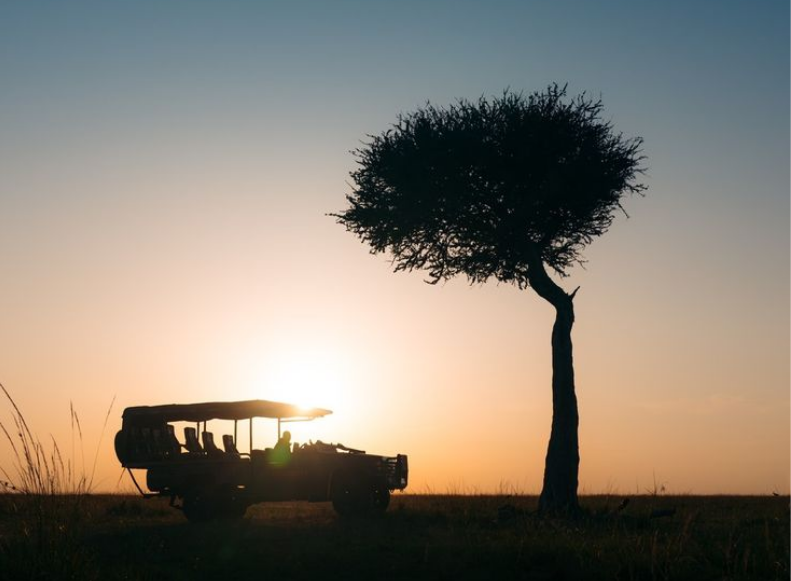
Each drive departs in a custom 4×4 open safari vehicle, with limited seating to ensure everyone has a great view and direct access to the guide.

Guides Who Bring the Bush to Life

What truly sets our safari tours apart? The people.

Our guides aren’t just drivers, they’re expert trackers, wildlife interpreters, and storytellers who live and breathe this land. They know the Kruger Park like the back of their hand and can spot signs that most people would never notice: a fresh footprint, a shifted breeze, the alarm call of a hornbill.

They’ll teach you how to read the bush, not just see it.

Winter is Prime Game Viewing Season

If you’re visiting in June, you’re in luck.

Winter in the Kruger Park is dry, which means animals cluster around permanent water sources, and that makes sightings easier and more frequent. Expect excellent chances of spotting:

  • The Big Five (lion, leopard, elephant, rhino, buffalo)
  • Spotted hyenas, giraffes, wildebeest, zebras
  • An abundance of birds, including raptors and owls

The cooler temperatures also make for more comfortable drives, especially in the early mornings and late afternoons.

Safari Logistics – What You Need to Know

What’s included?
All safari tours include park entry fees, expert guides, refreshments, and transport to and from the lodge.

What to bring:

  • Layered clothing (mornings are chilly, afternoons warm)
  • Sunscreen and a hat
  • Binoculars and a camera
  • A spirit of adventure

When to book:
We recommend booking at least 4–6 weeks in advance during the winter season, as tour spaces fill up quickly.

Book Your Safari Tour Today

If you’re looking for safari tours that combine expert guiding, authentic lodge hospitality, and close proximity to the Kruger Park, Timbavati Safari Lodge is your perfect base.

Whether you’re planning a once-in-a-lifetime trip or returning for another taste of the wild, we’re here to make it unforgettable.

Explore our safari tours now and ask about our June winter specials when booking!

The Big Five Experience at Timbavati Safari Lodge: What to Expect on a Kruger Safari

The Big Five Experience

Explore South Africa’s Most Iconic Wildlife in Unforgettable Comfort

South Africa’s Big Five- lion, leopard, elephant, buffalo, and rhino are among the most sought-after wildlife sightings in the world. And there’s no better place to experience them than on safari at Timbavati Safari Lodge. Located just outside Kruger National Park, the lodge combines authentic bushveld charm with an ideal location for unforgettable wildlife encounters.

Whether it’s your first safari or your tenth, this guide walks you through what to expect from a Big Five experience at Timbavati and how to make the most of it.

Why the Big Five Still Matter

Originally a hunting term, the “Big Five” referred to the five most difficult animals to hunt on foot. Today, these animals represent the crown jewels of any photographic safari in Southern Africa. Sightings of these majestic creatures are powerful, emotional, and, when experienced ethically and responsibly, unforgettable.

Game Drives with Impact

At Timbavati Safari Lodge, daily game drives are designed to give guests the best possible chance of spotting the Big Five in their natural habitat.

What makes these drives special?

  • Local guides with expert tracking knowledge
  • Proximity to prime Big Five territory
  • Open-vehicle drives for unobstructed viewing
  • Small groups for a more personal experience

Morning and afternoon drives are included, giving guests the chance to observe animals in the golden light of dawn and dusk, the best times for photography and activity.

What You Might See (and When)

Big Five animals move on their own schedules, but here are some general trends:

  • Elephants are often seen at watering holes and along riverbeds
  • Lions tend to lounge in the early morning or late afternoon
  • Leopards are elusive but are known to patrol the tree areas
  • Buffalo roam in herds and may be spotted in open grasslands
  • Rhinos prefer quieter areas, making sightings a rare but thrilling moment

Beyond the Big Five, guests often encounter giraffes, zebras, wildebeest, hippo, and countless species of birds.

Preparing for Your Big Five Safari

Here’s how to get the most out of your game drive experience:

  • Dress in neutral colours: Earth tones are ideal. Avoid bright clothing
  • Bring binoculars and a good camera: Zoom in on details from a distance
  • Be patient: Wildlife sightings are never guaranteed, but half the adventure is in the anticipation
  • Stay quiet and alert: Your guide will help you spot animals, but your own awareness adds to the thrill
  • Ask questions: The guides are incredibly knowledgeable and love to share

The Lodge Experience Between Drives

After an exhilarating drive, guests return to the comfort of Timbavati Safari Lodge. Relax in your private chalet, enjoy home-cooked South African meals, and listen to the sounds of the bush as night falls. The lodge’s atmosphere encourages connection to nature, to fellow travellers, and to yourself.

A Safari You’ll Never Forget

What sets Timbavati apart isn’t just the location or the wildlife. It’s the blend of personal service, genuine hospitality, and an authentic bush experience that keeps guests returning year after year.

Your Big Five experience here is more than a checklist; it’s a moment of reconnection with the wild.

“You don’t just see the Big Five, you feel them.”

Capture Your Safari Adventure: Essential Photography Tips for Your Visit to Timbavati Safari Lodge

Essential Photography Tips for Your Visit to Timbavati Safari Lodge

Essential Safari Photography Tips for Your Visit to Timbavati Safari Lodge

A South African safari is a dream come true for nature lovers and photography enthusiasts alike. At Timbavati Safari Lodge, the setting is nothing short of spectacular, rugged bushveld and abundant wildlife create a photographer’s paradise. Whether you’re a seasoned pro or simply love snapping shots on your phone, here’s how to make every image count.

Why Timbavati Safari Lodge Is a Photographer’s Dream

Located on the border of Kruger National Park, Timbavati offers close encounters with Africa’s iconic Big Five- lions, elephants, leopards, rhinos, and buffalo, alongside giraffes, zebras, birds, and countless smaller species. With such diversity, every game drive presents fresh chances to take breathtaking wildlife photos.

The ever-changing light, dramatic skies, and striking landscapes also make it ideal for experimenting with composition and perspective.

How to Capture Stunning Wildlife Photos During Your Timbavati Safari

1. Know Your Gear
Whether you’re carrying a DSLR, mirrorless camera, or smartphone, make sure you’re familiar with your device. Learn how to adjust focus quickly, switch between modes, and handle low-light settings. A telephoto lens (200–400mm) is ideal for capturing animals from a safe distance.

2. Focus on the Eyes
The eyes convey emotion. Whether it’s the intense stare of a lion or the cautious glance of a kudu, make sure the eyes are sharp; it brings your image to life.

3. Use the Golden Hours
Early morning and late afternoon offer the best natural light. These golden hours add warmth, softness, and depth to your wildlife photography.

4. Keep It Steady
Use a bean bag or camera support to reduce shake, especially on bumpy roads. If you’re shooting handheld, increase your shutter speed to freeze motion.

5. Patience Pays Off
Animals don’t pose on cue. Spend time observing them, predicting their movements, and waiting for that perfect frame. Sometimes the best photos come from moments of calm.

6. Don’t Forget the Details
Capture more than just the animals. Think about tracks in the sand, close-ups of textures, or sweeping vistas of the bush at sunset. These images tell the story of your safari adventure.

7. Respect Wildlife
Never get too close or interfere with the animals. Great shots come from patience, not pressure. Your guide will help you maintain a safe and respectful distance.

Additional Safari Photography Tips

  • Always carry extra batteries and memory cards.
  • Turn off your camera’s flash, it can startle animals.
  • Experiment with black-and-white for dramatic effect.
  • Use burst mode to capture action sequences.

Make the Most of Your South African Safari

Your time at Timbavati Safari Lodge is more than a holiday, it’s a chance to immerse yourself in nature and come away with once-in-a-lifetime photographs. Whether it’s a lion’s yawn at sunrise or a herd of elephants crossing the riverbed, you’ll want to capture it all with care and creativity.

“You don’t take a photograph, you make it.” – Ansel Adams

Book Your Safari Experience Today

Ready to explore and create unforgettable wildlife memories? Book your stay at Timbavati Safari Lodge and experience wildlife photography in one of Africa’s most spectacular settings.

Visit Timbavati Safari Lodge to reserve your photographic safari adventure.

Why Safari Photography at Timbavati Safari Lodge is Special: How to Capture the Wild

Safari Photography at Timbavati

How to Capture Stunning Wildlife Photos During Your Timbavati Safari

If you’re visiting Timbavati Safari Lodge on your South African Safari, photography will undoubtedly be part of your adventure. With lions, elephants, leopards, giraffes, and an abundance of birds all thriving in their natural habitat, the opportunity to capture wild moments is unmatched. This guide will help you approach safari photography with both purpose and creativity.

Tips for Photographing African Wildlife at Timbavati Safari Lodge

1. Choose the Right Equipment for the Job
When preparing for wildlife photography, your gear matters. Here are the essentials:

  • Zoom Lens (200mm or higher): Essential for shooting from a distance without disturbing animals.
  • Wide-Angle Lens (16–35mm): Ideal for landscape scenes, sunrises, and contextual shots.
  • Extra Batteries and Memory Cards: Safari days are long, and power or space issues shouldn’t be the reason you miss a great shot.

Being ready with the right tools can make all the difference between a missed opportunity and a once-in-a-lifetime image.

2. Golden Hour: The Best Times to Shoot
The early morning and late afternoon are known as the golden hours, when natural light is soft and warm, perfect for African photography.

  • Morning Light: Soft and low, enhancing textures and casting magical shadows.
  • Evening Light: Rich, golden tones that flatter wildlife and create atmospheric shots.

Plan your sessions around game drives during these times for stunning natural results.

3. Focus on Composition: The Rule of Thirds
Even in the wild, composition is key. Use the rule of thirds by placing your subject along the grid lines or intersections. This creates:

  • Balance in the frame
  • More dynamic images
  • Emphasis on both subject and environment

Think beyond centre-frame portraits to tell a broader story.

4. Capture Animal Behaviour, Not Just Animals
The magic of safari adventure isn’t just seeing the animals, it’s witnessing their behaviour. Focus on:

  • Interaction: Animals grooming, playing, or moving as a group
  • Emotion: A curious gaze, a warning stance, or relaxed body language
  • Surroundings: The terrain, waterholes, or nearby herds add context and drama

These photos create an emotional connection for both the photographer and the viewer.

Make the Most of Every Moment

  • Always have your camera ready, action happens quickly.
  • Turn off your flash to avoid disturbing wildlife.
  • Try burst mode to catch sequences like running, jumping, or flying.
  • Be patient. Sometimes the most powerful photos come when you wait quietly.

Your Safari Adventure Deserves to Be Remembered

With the help of these tips and the spectacular setting of Timbavati Safari Lodge, you’re set to come away with images that capture the essence of Africa. Whether you’re here for a once-off holiday or the start of a wildlife photography journey, the wild is waiting.

“Photographs open doors into the past, but they also allow a look into the future.” – Sally Mann

Ready to Capture the Wild?

Don’t just witness the wild, photograph it. Reserve your stay at Timbavati Safari Lodge and experience an authentic South African safari through your lens.

Book now via Timbavati Safari Lodge to plan your perfect photographic escape.