

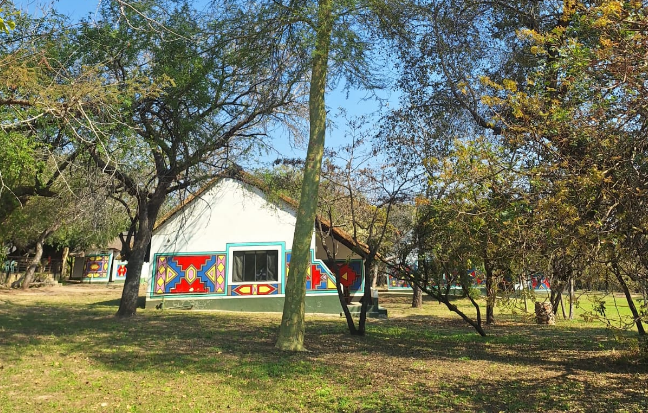
For many first-time visitors, the African bush is imagined as a landscape of endless shades of green. Others picture dry golden grass stretching to the horizon beneath cloudless blue skies. The truth is that Timbavati is both of these, and much more.
One of the most fascinating aspects of the Greater Kruger region is that it is constantly changing. Every season brings its own colours, textures and atmosphere, creating a landscape that never looks exactly the same twice. The transformation is often subtle, taking place over weeks rather than days, but for those who spend time observing the bush, each change tells a story about life, growth and adaptation.
At Timbavati Safari Lodge, guests quickly discover that the changing colours of the bush are far more than simply a beautiful backdrop. They reflect the rhythms of nature, influence wildlife behaviour and ensure that every visit feels unique, regardless of the time of year.
Understanding these seasonal changes allows visitors to appreciate the bush as a living environment rather than a static destination.
A Landscape That Never Stands Still
Unlike manicured gardens or cultivated parks, the African bush is constantly responding to its surroundings.
Rainfall, temperature, sunlight and seasonal cycles all influence how the landscape appears throughout the year. Grasses grow and fade, trees flower and shed their leaves, while the colours of the bush shift almost continuously.
These changes are not signs that the landscape is becoming better or worse, they simply reflect nature adapting to the conditions of each season.
Guests who return to Timbavati at different times of the year are often surprised by how dramatically the scenery can change while remaining unmistakably beautiful.
The bush never stands still because nature itself is always moving forward.
The Fresh Greens of the Summer Rains
With the arrival of the summer rains, Timbavati undergoes one of its most dramatic transformations.
Dry ground begins to soften as fresh shoots of grass emerge across the landscape. Trees quickly replace bare branches with vibrant new leaves, creating a rich green canopy that brings renewed life to the bush.
Seasonal flowers begin to bloom, attracting butterflies, bees and countless other pollinating insects. The air feels fresher, rivers and waterholes become more active, and the entire environment seems energised.
This period of growth supports many herbivores, providing abundant grazing and browsing opportunities that ripple throughout the food chain.
For guests, the lush landscape offers a completely different visual experience from the drier months.
Autumn: A Gentle Transition
As the seasons progress, the intense greens of summer gradually soften.
Autumn is a time of transition. While many trees remain leafy, subtle changes begin appearing throughout the bush. Some grasses start fading from bright green to muted gold, while certain trees prepare for the drier months ahead.
Morning temperatures become cooler, creating crisp starts to the day, while evenings feel increasingly comfortable.
This period often offers a balanced landscape where elements of both the wet and dry seasons can be appreciated simultaneously.
The changing colours during autumn create beautiful contrasts across the bushveld, making it one of the most visually rewarding times to experience the area.
Winter’s Golden Bushveld
Winter introduces one of the most recognisable appearances of the African bush.
As rainfall decreases, grasses dry naturally, creating sweeping golden landscapes that stretch across the horizon. Deciduous trees shed many of their leaves, opening up views through the bush and changing the overall character of the environment.
Far from appearing lifeless, the winter bush possesses its own distinctive beauty.
The warm golden grasses glow beneath the clear winter sunlight, while crisp blue skies provide striking contrast. Cooler temperatures make spending time outdoors particularly enjoyable, and the open vegetation often provides excellent opportunities to appreciate the wider landscape.
Many visitors find themselves surprised by how vibrant the bush remains despite the absence of lush greenery.
Spring: Nature Begins Again
Spring marks another exciting period of renewal.
Before the first substantial rains arrive, many indigenous trees begin flowering, adding unexpected bursts of colour to the landscape. Fresh leaves begin appearing, signalling the start of another growth cycle.
Bird activity also increases as many species prepare for breeding seasons, filling the bush with movement and song.
The anticipation of the coming rainy season can almost be felt throughout the environment.
Spring reminds visitors that the African bush is constantly renewing itself, even after the driest months.
How Wildlife Adapts to Seasonal Change
The colours of the landscape are closely linked to the behaviour of the animals that call Timbavati home.
As vegetation changes, so too do feeding opportunities, shelter availability and movement patterns.
Browsing animals respond to fresh leaf growth, while grazing species benefit from newly established grasses after rainfall. Birds adjust nesting activities according to seasonal conditions, and countless smaller creatures emerge or become less active depending on temperature and moisture levels.
These adaptations are part of the natural rhythm of the ecosystem.
Observing seasonal wildlife behaviour gives guests a deeper appreciation of how closely every living thing is connected to its environment.
Changing Light Creates New Perspectives
Colour is influenced not only by vegetation but also by light.
Throughout the year, the angle of the sun changes, affecting how the landscape appears during different times of day.
Morning light often highlights subtle greens and silvery foliage, while late afternoon sunlight transforms grasses into glowing shades of gold and amber.
Cloud formations during the wetter months can dramatically alter the appearance of the landscape, creating rich contrasts between sunlight and shadow.
Even familiar views take on completely different personalities depending on the season and the quality of the light.
Every Visit Offers Something Different
One of the greatest advantages of seasonal change is that no two visits to Timbavati are ever identical.
Guests returning at different times of the year discover landscapes that feel fresh and exciting despite being in the same location.
Some may experience lush green vegetation following summer rains, while others enjoy the expansive golden vistas of winter or the flowering trees of spring.
Rather than asking which season is “best”, experienced visitors often recognise that each season offers its own unique character and beauty.
This diversity encourages repeat visits and ensures there is always something new to appreciate.
The Beauty of Nature’s Constant Change
Modern life often encourages consistency and predictability.
Nature follows a different philosophy.
The bush demonstrates that change is not something to resist, it is something to celebrate.
Every season contributes to the health of the ecosystem. Dry periods prepare the landscape for future growth. Rainfall brings renewal. Flowering seasons support pollinators, while changing vegetation influences wildlife movement.
Each stage has purpose.
By observing these natural cycles, guests gain a greater appreciation not only of the African bush but also of the remarkable resilience of nature itself.
Conclusion
The changing colours of the Timbavati bush are far more than a visual spectacle.
They tell the story of changing seasons, thriving ecosystems and the remarkable adaptability of nature. Every shift in colour reflects countless natural processes working together to sustain one of South Africa’s most extraordinary landscapes.
Whether the bush is glowing green after the rains, shining gold during winter or bursting with new life in spring, every season offers something different to discover.
At Timbavati Safari Lodge, every visit becomes an opportunity to experience a new chapter in the ever-changing story of the African bush.