

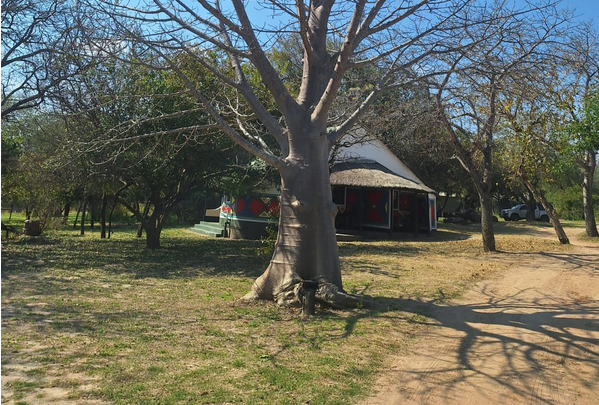
When visitors think about the African bush, it is often the wildlife that captures their imagination first. Images of elephants wandering through the landscape or giraffes browsing among the treetops are what many people expect from a visit to Timbavati Safari Lodge. Yet behind every memorable wildlife encounter stands something just as important, the trees that define the bushveld itself.
The trees of Timbavati do far more than create beautiful scenery. They provide food, shelter and nesting sites, regulate temperatures, improve soil quality and support countless forms of life throughout the ecosystem. Every season brings changes to the landscape, and the trees respond in remarkable ways, influencing everything from animal behaviour to the appearance of the bush.
Understanding these iconic trees allows guests to appreciate the African bush on a much deeper level. Rather than simply seeing a collection of plants, visitors begin to recognise a living network that supports every aspect of life around it.
More Than Just a Beautiful Landscape
Trees are often viewed simply as part of the scenery, but in the Timbavati region they are among the most important components of the ecosystem.
Each species has evolved to survive the unique climate of the South African bushveld. Long dry periods, seasonal rainfall, intense sunshine and occasional fires have shaped these trees into hardy survivors that continue to thrive year after year.
Their presence influences everything around them.
Large mammals seek shade beneath broad canopies during the hottest parts of the day. Birds build nests high in their branches where they are protected from predators. Insects pollinate their flowers, while fallen leaves enrich the soil below.
Without these indigenous trees, the landscape would be dramatically different, and many of the wildlife species guests travel to see would struggle to survive.
The Marula Tree: One of Africa’s Great Icons
Few trees are as well known or as important as the marula.
Recognisable by its broad canopy and distinctive bark, the marula provides valuable food for a wide variety of wildlife. During fruiting season, elephants, baboons, monkeys, warthogs and numerous bird species eagerly feed on the nutritious fruit that falls beneath the tree.
The tree also provides welcome shade throughout the warmer months, making it a popular resting place for many animals.
For people, the marula has long held cultural significance across Southern Africa. Traditionally, different parts of the tree have been used for food, beverages and various practical purposes, demonstrating the close relationship between people and the natural environment.
Its ability to support both wildlife and human communities makes the marula one of the defining species of the African bush.
Knobthorn: A Giant of the Bushveld
Towering above much of the surrounding vegetation, the knobthorn tree is another characteristic feature of the Timbavati landscape.
Its name comes from the distinctive rounded knobs that develop on its bark as it matures. These unusual growths give the tree a unique appearance and make it easy to recognise.
Knobthorns are particularly important for birds. Large raptors often use their upper branches as lookout points, while many smaller species build nests among the dense foliage.
During flowering season, bees and other pollinating insects are attracted to the abundant blossoms, creating another important connection within the ecosystem.
Because knobthorns grow slowly and can live for many decades, they become permanent landmarks that shape the landscape for generations.
Leadwood: The Silent Guardian
One of the most impressive trees found in the Greater Kruger region is the leadwood.
Known for its incredibly dense timber, the leadwood is among the hardest trees in Africa. Even after dying, these trees often remain standing for many years, creating distinctive silhouettes against the African sky.
These dead trunks continue serving an important ecological purpose.
Woodpeckers excavate nesting holes within the ageing timber. Owls and other birds often occupy these cavities long after they have been abandoned by previous residents. Insects gradually break down the wood, returning valuable nutrients to the soil.
The leadwood reminds us that even at the end of its life cycle, a tree continues contributing to the ecosystem.
The Apple Leaf: Quiet but Important
Although less famous than the marula or leadwood, the apple leaf tree plays a valuable role within the bushveld.
Its leaves provide food for browsing animals throughout much of the year, while its dense foliage offers shelter for birds and smaller mammals.
Because the apple leaf remains productive across different seasons, it becomes an important source of nutrition when other vegetation is less abundant.
This reliability makes it a valuable component of the diverse plant communities found throughout Timbavati.
How Indigenous Trees Support Wildlife
Every indigenous tree species contributes to the survival of wildlife in different ways.
Some provide fruit.
Others produce flowers rich in nectar for insects and birds.
Many offer shelter from extreme temperatures, while hollow trunks create nesting sites for birds, reptiles and small mammals.
Leaves become food for browsing species, while bark supports insects that in turn become food for birds.
Even fallen branches provide habitat for countless smaller creatures living on the forest floor.
These interconnected relationships demonstrate that the value of a tree extends far beyond its appearance.
Seasonal Changes Bring Constant Transformation
One of the most fascinating aspects of the Timbavati landscape is how dramatically the trees change throughout the year.
During the rainy season, fresh green leaves emerge, transforming the bush into a vibrant landscape filled with colour and growth.
As drier months approach, many trees shed their leaves to conserve water. This process allows more sunlight to reach the ground, influencing grass growth and making wildlife easier to spot.
Flowering seasons vary between species, providing changing sources of nectar and pollen for insects and birds throughout the year.
Fruiting seasons then attract different animals as valuable food sources become available.
These ongoing cycles ensure that the bush is constantly changing, even when the landscape appears familiar.
Trees Shape the Safari Experience
Guests often focus on wildlife, but trees quietly influence nearly every memorable sighting.
Elephants browse among branches.
Leopards rest high above the ground in sturdy limbs.
Giraffes feed on fresh leaves beyond the reach of smaller herbivores.
Birds fill the canopy with movement and song.
Even predators use trees as cover while moving through the landscape.
Once guests begin recognising individual tree species, every drive becomes more interesting because they start noticing the relationships between plants and animals.
Conservation Begins with Understanding
Protecting wildlife also means protecting the habitat that sustains it.
Healthy tree populations ensure healthy ecosystems.
Conservation efforts throughout the Greater Kruger region recognise the importance of maintaining indigenous vegetation alongside wildlife management.
By preserving these iconic tree species, future generations will continue experiencing the remarkable biodiversity that makes Timbavati such a special destination.
Understanding the importance of trees helps visitors appreciate conservation on a much broader level.
Conclusion
The trees of Timbavati are far more than a beautiful backdrop to unforgettable wildlife encounters.
From the fruit-bearing marula and towering knobthorn to the resilient leadwood and dependable apple leaf, every tree contributes to the remarkable balance of life in the African bush.
They feed wildlife, shelter birds, shape the seasons and create the landscapes that make Timbavati Safari Lodge such a memorable destination.
The next time you look across the bushveld, take a moment to appreciate the trees. They have been quietly telling the story of Timbavati long before people ever arrived, and they continue to write new chapters every day.