

When people dream about visiting the African bush, their thoughts usually turn to elephants, lions, leopards and other iconic wildlife. These incredible animals are undoubtedly one of the biggest attractions of a safari, but they represent only a small part of what makes the Timbavati ecosystem so extraordinary.
Every day, countless smaller creatures are quietly shaping life in the bush. Tiny insects pollinate flowers, reptiles regulate pest populations, birds clean larger mammals, and small mammals become an essential link in the food chain. Without them, the ecosystem simply could not function.
At Timbavati Safari Lodge, guests are encouraged to appreciate not only the famous wildlife, but also the remarkable smaller species that often go unnoticed. Looking beyond the obvious reveals an entirely new layer of the African bush, one filled with fascinating behaviours, intricate relationships and constant activity.
The next time you’re enjoying time in nature, remember that some of the most interesting discoveries happen when you stop looking for the biggest animals and start noticing everything else.
Looking Beyond the Big Game
It’s perfectly natural for first-time visitors to hope for sightings of Africa’s most famous wildlife. The excitement of seeing a lion resting beneath a tree or watching a herd of elephants move through the bush is unforgettable.
However, experienced travellers often discover that some of their favourite safari memories involve much smaller creatures.
Watching a dung beetle tirelessly rolling its carefully crafted ball across the road, observing a colourful agama lizard warming itself on a rock, or listening to the incredible chorus of insects as evening approaches can be just as memorable as spotting larger animals.
These smaller encounters encourage guests to slow down, observe carefully and appreciate the incredible complexity of the natural world.
Every Creature Has a Purpose
Nature operates as one connected system. Every species, regardless of size, contributes to the health and balance of the environment.
Small animals perform essential roles that many visitors never consider.
Some insects pollinate flowering plants that later provide food for larger herbivores. Others help decompose dead vegetation, returning nutrients to the soil and supporting new plant growth.
Small mammals disperse seeds, reptiles control insect populations, and countless invertebrates contribute to healthy ecosystems beneath the surface.
Even the smallest organisms help maintain the balance that allows larger wildlife to thrive.
Without these often-overlooked species, the entire food web would be disrupted.
The Tiny Creatures That Keep the Bush Alive
Perhaps no animal demonstrates this better than the dung beetle.
Although often overlooked, dung beetles perform one of the most important cleaning roles in the African bush. By breaking down animal waste, they recycle nutrients back into the soil, improve soil quality and reduce the spread of parasites.
Termites provide another excellent example.
Their impressive mounds are far more than piles of earth. They improve soil fertility, recycle dead plant material and even create habitats used by other animals.
Spiders, butterflies, ants, bees and dragonflies all contribute to the functioning of the ecosystem in different ways.
Each species plays a role that may appear small individually but becomes essential when viewed as part of the bigger picture.
Reptiles: Quiet Residents of the Bush
Many reptiles spend their days hidden from view, making them easy to miss.
Lizards bask in the morning sunshine before becoming active hunters of insects throughout the day. Geckos emerge during the evening, feeding on insects attracted by lights around buildings.
Snakes, although rarely encountered, play an important role by controlling rodent populations and maintaining ecological balance.
Guests who remain observant often discover that reptiles are fascinating subjects to watch because of their unique movements, behaviours and survival strategies.
Birds That Do More Than Sing
Birdlife is another important part of Timbavati’s biodiversity.
Many visitors immediately notice colourful kingfishers, hornbills or rollers, but smaller birds often perform remarkable ecological services.
Oxpeckers remove parasites from larger mammals, benefiting both species.
Sunbirds assist with pollination while feeding on nectar.
Swallows help regulate flying insect populations.
Even the smallest birds contribute significantly to maintaining healthy ecosystems throughout the bush.
Listening carefully to bird calls can also reveal important clues about activity in the surrounding environment.
Small Mammals with Big Responsibilities
While large herbivores receive much of the attention, smaller mammals quietly support the ecosystem every day.
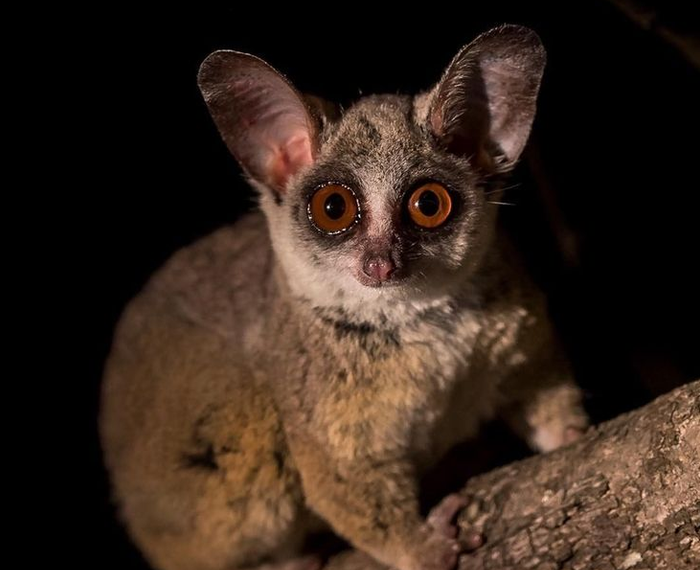
Species such as squirrels, mongooses, bushbabies and various rodents each contribute in different ways.
Some disperse seeds through their feeding habits.
Others become important prey for predators, helping maintain balanced food chains.
Mongooses, for example, actively hunt insects, snakes and rodents while living in highly organised social groups.
Observing these animals often provides a fascinating glimpse into behaviours that differ greatly from those of larger wildlife.
Learning to Observe More Carefully
One of the greatest skills guests develop during their stay is learning to observe.
Rather than constantly searching for the next major sighting, many begin paying attention to movement in the grass, unusual sounds, colourful insects or birds interacting with larger animals.
This slower approach often reveals an astonishing amount of activity taking place all around them.
Nature rewards patience.
The more carefully people look, the more they discover.
Why Biodiversity Matters
Healthy ecosystems depend on biodiversity.
When many different species coexist, the environment becomes more resilient to change. Each animal, bird, reptile and insect contributes to the stability of the system.
Protecting biodiversity also protects the iconic wildlife that visitors travel to see.
Without healthy soils, abundant insects, thriving bird populations and functioning food chains, larger mammals would struggle to survive.
This interconnectedness highlights why conservation involves protecting entire ecosystems rather than focusing only on well-known species.
A Richer Safari Experience
Guests who appreciate smaller wildlife often discover that every drive and every walk around the lodge becomes more interesting.
Instead of measuring success purely by famous sightings, they begin enjoying the countless interactions happening throughout the bush.
A spider constructing its web.
Butterflies gathering around damp ground.
Dragonflies hunting over water.
Ants carrying food many times their own size.
These moments create a richer understanding of the natural world and often become some of the most rewarding memories of a stay.
Conclusion
The African bush is far more than its famous wildlife.
Behind every elephant, lion or giraffe lies an intricate network of smaller creatures working constantly to keep the ecosystem healthy and balanced.
At Timbavati Safari Lodge, taking the time to notice these often-overlooked animals allows guests to experience the bush from an entirely different perspective. Every insect, reptile, bird and small mammal contributes to a story that is both fascinating and essential.
Sometimes the greatest discoveries aren’t the biggest ones, they’re simply the ones we almost walked past.